loading...

When you consider tunnel design, ventilation and safety systems aren’t just features—they’re necessities. You face challenges like maintaining air quality, managing emergencies, and ensuring compliance with strict regulations. Each decision impacts how people travel and how cities function. If you’re aiming for reliable, future-ready infrastructure, you’ll want to know what sets advanced tunnel systems apart and how leading projects tackle these critical issues.
HNTB offers a robust expertise in tunnel ventilation system design, supported by one of the industry's largest specialized teams. This team is dedicated to integrating safety systems into significant infrastructure projects. Notably, the SR99 Tunnel serves as an example of their work, showcasing solutions tailored to optimize ventilation for various forms of transit, including rail and road.
The emphasis at HNTB is on ensuring that existing tunnels, stations, and transit lines comply with safety standards while operating efficiently. Their strategic focus on the southern region of the United States reflects an understanding of specific regional challenges and regulatory requirements.
Through comprehensive data analysis and assessment of relevant events, HNTB enables clients to implement power-efficient ventilation systems while adhering to privacy regulations.
Whether organizations are looking to upgrade existing infrastructure or initiate new projects focused on enhancing transportation safety, HNTB provides informative resources and expertise. To explore further, organizations may consider reaching out to HNTB for detailed guidance.
Several tunnel projects in the United States have recently undergone substantial safety upgrades, establishing new standards for ventilation and fire life safety systems.
For instance, the SR99 Tunnel has integrated advanced ventilation solutions that promote safe rail and transit operations.
The Red Line project involves upgrades to the Cleveland Park and Woodley Park Stations, focusing on effective smoke management and data-driven access improvements.
Additionally, at South Station, meticulous project planning has led to enhancements in infrastructure while also aiming to reduce carbon emissions.
These initiatives collectively enhance tunnel safety compliance and aim to minimize disruptions to road transportation.
For further detailed information, interested parties may contact the respective project teams or consult the industry’s privacy policy and event updates for additional insights.
Tunnel ventilation is a critical component of safety engineering, primarily aimed at managing air quality and controlling smoke during emergency situations. Modern tunnel transit systems for both road and rail utilize sophisticated power and data management controls to maintain safe operational standards.
The implementation of redundant ventilation systems, coupled with continuous monitoring, assists in meeting industry regulations and ensuring compliance with safety protocols.
In practical applications, these ventilation systems are designed to adapt to various scenarios, including those encountered in high-traffic tunnels and specific station environments, such as those found on the South Line.
Adherence to established guidelines is essential for the development of reliable ventilation systems that contribute to the safe functioning of transportation networks. Stakeholders are encouraged to consult with experts in the field to gain insights into best practices and the selection of appropriate technologies that effectively address the complexities of tunnel ventilation and fire life safety.
Efficient logistics are critical to the success of tunnel construction projects, particularly in the management of materials and equipment. This process involves the coordination of transportation for materials such as steel, concrete, and ventilation systems, relying on both trucks and rail to ensure safe access while minimizing disruption to transit and road operations.
The logistics team utilizes data analytics to optimize scheduling for round-the-clock activities, facilitating the integration of new systems with existing infrastructure at various stations.
Furthermore, designated laydown areas, such as those in South or Shady Grove Rail Yard, enhance the organization of materials on-site. Electrical upgrades are also a key consideration, as they provide the necessary power to support ventilation equipment, contributing to overall project efficiency.
In accordance with industry best practices, it is essential to adhere to established guidelines, consult with subject matter experts, and ensure compliance with safety standards and privacy policies throughout the project lifecycle.
These measures are vital to maintaining operational integrity and safety within tunnel construction initiatives.
Public engagement is essential for the successful execution of tunnel infrastructure projects. Effective communication is crucial for addressing community concerns and establishing trust between project stakeholders and the local population. Regular updates about Transit and Rail system operations, including specifics on tunnel ventilation solutions and power access changes at stations along the South Line and Road, are integral to keeping the community informed.
This project is situated within broader industry efforts aimed at delivering safe and efficient infrastructure. The local team actively shares relevant data, construction photographs, and progress reports to keep the community apprised of developments.
Stakeholders are encouraged to reach out for feedback, which can be valuable in refining project processes and improving community relations.
Furthermore, ongoing community participation plays a vital role in minimizing disruptions caused by construction activities. By being responsive to feedback and adapting plans to align with existing transportation infrastructure needs, these initiatives can facilitate smoother integration of new systems into the community.
For more information on how personal data will be utilized, individuals are advised to consult the Privacy Policy provided by the project team.
A comprehensive approach to tunnel operations necessitates the integration of advanced ventilation and safety systems that emphasize reliability and efficiency. Ensuring air quality is a critical component of any Tunnel, Rail, or Road project and should be considered an essential aspect of the overall infrastructure strategy.
Implementing intelligent ventilation and power systems is important, as these systems need to adapt to a variety of challenging conditions, such as fire incidents, heavy transit traffic, or the presence of harmful emissions.
Real-time data access is crucial for monitoring tunnel operations effectively and facilitating the early detection of anomalies. The use of redundant devices is also advised to enhance safety measures and ensure compliance with established industry standards.
Additionally, deploying fiber optic networks can provide secure remote access, further improving the management and monitoring of tunnel operations.
For more information regarding our policies or to discuss strategies for enhancing existing stations or lines, please refer to our Privacy Policy or contact us directly.
As you plan tunnel projects, don't overlook ventilation and safety systems—they're vital for air quality, emergency response, and regulatory compliance. By leveraging advanced technology, rigorous maintenance, and effective communication, you ensure reliable and secure operations. Investing in smarter, sustainable solutions positions you to adapt to future infrastructure challenges. By prioritizing safety and efficiency, you create tunnels that serve communities well, meeting modern standards and supporting long-term success in transportation infrastructure.

22/07/2015
Work continues on the construction of what we can already call "the flagship" of the HSC Shipyard: the ADMIRAL 350.
read more
20/02/2014
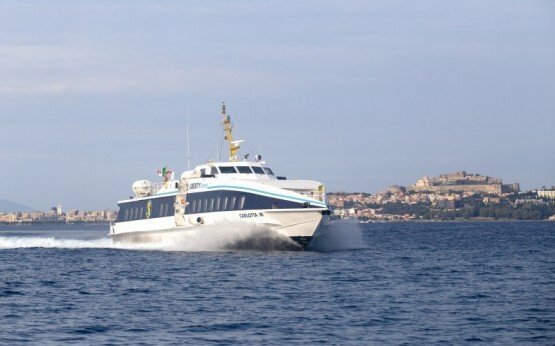
His name is Carlo Morace the last hydrofoil joined our fleet!
read more