loading...

If you're searching for an efficient answer to city congestion and environmental strain, consider what monorail systems bring to urban transit. With their streamlined construction and minimal land use, you can imagine their potential to transform city landscapes while curbing pollution and easing daily commutes. Still, while monorails showcase several advantages over traditional rail, do they truly deliver on the promise of sustainable mobility, or are there hidden complexities to explore?
A comprehensive framework for sustainable urban mobility emphasizes practical solutions that address environmental, social, and economic considerations. Verified projects in the United States, including those in Miami, New York City, and Los Angeles, illustrate effective sustainability through adaptable systems such as monorails, light rail, and bus transit. These options reduce individual vehicle ownership, promote transit-oriented development, and effectively serve densely populated urban areas.
By utilizing public transportation, cities can alleviate peak-hour congestion and reduce maintenance costs associated with extensive road networks.
Critical aspects to consider include the intersection of people, land use, safety, and energy consumption at transportation hubs. Furthermore, community engagement plays an essential role in the development of rail services, ensuring that they align with the diverse needs and experiences of urban populations across the country.
This strategic approach supports the long-term viability of urban mobility systems while addressing the complexities of modern city life.
Urban transit systems are increasingly under scrutiny to address various environmental concerns. Monorail systems present specific advantages for cities aiming to develop sustainable transportation options. When assessing monorails against bus or light rail systems in densely populated urban centers such as Miami, Los Angeles, or New York City, one can observe lower energy consumption and potentially improved air quality associated with their operation.
The design of monorails, as evidenced by several development projects throughout the United States, promotes efficient land use and contributes to reduced vehicular congestion. Additionally, monorails operate with relatively low noise levels, which may enhance the overall urban environment.
The safety record of these systems, combined with their typically lower maintenance requirements, can lead to a more reliable transit experience for users.
Incorporating modern transit solutions like monorails into urban planning can bolster sustainability efforts and fulfill the transportation needs of diverse communities. Overall, monorails serve as a viable option for cities considering environmentally responsible transit systems.
The integration of monorail systems into existing urban infrastructure requires careful consideration and strategic design. In various cities across the United States, such as Miami, Los Angeles, and New York City, monorail projects have been implemented to alleviate urban congestion and optimize land use. These systems utilize lightweight guideways, which can significantly reduce the impact on ground space in densely populated areas.
The design of monorail systems allows for the coupling of cars, enabling them to efficiently accommodate fluctuating passenger volumes during peak hours. This feature is particularly beneficial in meeting the diverse demands of public transportation.
Furthermore, monorail systems often ensure connectivity with other forms of transit, including rail services, bus stations, and light rail networks, which enhances overall transportation accessibility.
Monorail systems may offer advantages in terms of safety and sustainability, as they generally have lower emissions compared to traditional transportation methods. Additionally, the efficient maintenance of these systems can contribute to their long-term viability as a sustainable urban transport option.
The implementation of transit vehicles with optimized travel times can positively influence energy consumption and improve the overall experience for users, ultimately benefiting urban development.
Monorail systems, such as Innovia, demonstrate a significant capacity range, enabling efficient transportation within urban settings. Each train can accommodate between 150 to 1,150 passengers, making these systems applicable in various dense urban environments across the United States, including cities like Miami, New York City, and Los Angeles. These systems are designed to alleviate congestion and reduce energy consumption, two critical factors in contemporary urban transportation planning.
Flexibility is a notable feature of monorail systems, which can be configured to meet varying demand levels, particularly during peak hours. This adaptability is an essential aspect of effective public transport solutions.
Additionally, the spacious design of the vehicles, coupled with reliable maintenance protocols and high safety standards, contributes positively to the overall passenger experience at each station.
As urban land use priorities continue to evolve, monorails may provide sustainable transportation options and development potentials for communities, facilitating a shift towards more integrated and environmentally conscious urban mobility solutions.
Sustainable monorail systems represent a viable option for improving urban connectivity through effective integration with other modes of transit, such as buses and trains. Existing examples in cities like Miami, New York City, and Los Angeles demonstrate how well-designed stations can provide seamless connections to bus and light rail services.
This integration is associated with reduced congestion and shorter travel times, which is particularly beneficial in densely populated areas of the United States.
The maintenance of monorail systems tends to be efficient, allowing operations to continue effectively during peak travel hours. Furthermore, the development of these monorails often emphasizes sustainability, aiming to minimize land use and optimize energy consumption.
These factors contribute to enhanced safety and an improved overall community experience. Such initiatives can promote a sense of ownership among residents and support the principles of transit-oriented development, which seeks to create walkable, connected urban environments in various regions.
Sustainable monorail systems have been implemented in various urban settings, offering a flexible and effective mode of transportation. Notable examples of these systems can be observed in major U.S. cities such as Miami, New York City, and Los Angeles. Each installation is designed to address specific urban challenges, including traffic congestion and energy efficiency, particularly during peak travel times.
Monorail stations play an important role in public transit by facilitating connections with bus and light rail services, thereby enhancing overall mobility for different urban communities. The design and operational parameters of these systems can be customized, with varying train capacities and guideway configurations tailored to meet the unique demands of each city.
With over 50 years of industry experience, these systems have demonstrated a strong track record in safety and operational availability, often nearing 100%.
The development and management of monorail systems are supported by models that emphasize sustainability, making them viable options for cities aiming to improve their public transport infrastructure.
Cities are increasingly interested in ensuring that their transit projects contribute to sustainability objectives. Verification and classification systems, such as Envision, offer structured frameworks for assessing the environmental, social, and economic effects of these projects. Envision allows stakeholders to identify verified transit projects across various U.S. cities, including Miami, New York City, and Los Angeles.
The evaluation process encompasses several critical factors, including energy consumption, land utilization, safety considerations, maintenance requirements, peak usage periods, and public transportation alternatives. This comprehensive assessment covers a range of transit modalities, from bus and rail services to train stations and light rail systems.
By establishing benchmarks for ownership, development, and community engagement, Envision aims to ensure that transit projects effectively address the needs of densely populated urban areas as well as the diverse requirements of different communities.
This structured approach not only enhances transparency but also fosters accountability in transit project planning and implementation.
Advancements in urban transit are increasingly characterized by automated solutions, exemplified by systems such as Innovia. These systems are designed for practical integration within urban landscapes, addressing the complexities of public transportation. Research indicates that such automated transit solutions can streamline operations, alleviate congestion, and promote sustainability in densely populated cities including Miami, New York City, and Los Angeles.
Innovia systems offer various train configurations that are essential for maintaining efficient operations, particularly during peak hours at transit stations. The focus on safety and maintenance is vital, as it ensures reliable service amidst high passenger volumes.
Additionally, the use of innovative vehicles is associated with improvements in community transit experiences, as these systems have been reported to reduce energy consumption, travel times, and the spatial requirements of transit infrastructure.
The ownership and development of automated transit solutions within the United States, particularly in the southern region, demonstrate their capacity to adapt to diverse urban environments. This adaptability supports the integration of rail services with other public transport options, reinforcing overall transit efficiency.
Overall, the implementation of solutions like Innovia reflects a growing recognition of the need for modernized, sustainable, and responsive public transportation systems in urban settings.
Monorail systems have the potential to enhance urban mobility and promote sustainability. However, it is essential for public policymakers to address equity considerations from the outset of the planning process.
A thorough examination is necessary to determine how each monorail project will effectively integrate with existing bus and light rail services in high-density urban areas such as Miami, Los Angeles, and New York City.
Equity in public transportation entails ensuring that solutions do not inadvertently diminish access for lower-income populations, particularly during peak travel times. This necessitates an analysis of land use, property ownership, and the broader impacts of development on community safety and traffic congestion.
By utilizing current data and research, stakeholders can work towards fostering equitable transit systems throughout the United States.
The objective is to support public transportation that accommodates the diverse needs of urban populations, thereby improving overall accessibility and mobility while considering the implications for those traditionally underserved by transit services.
Reliability is a significant aspect to consider when assessing urban transit solutions. Monorail systems, such as those implemented in Miami and Los Angeles, demonstrate nearly 100% availability, efficiency in travel time, and a reduction in congestion during peak hours.
These rail systems are designed to support sustainability initiatives, reduce energy consumption, and minimize land use in densely populated urban areas when compared to bus services or light rail.
Residents in cities like New York and various regions in the southern United States have reported enhancements in public transportation quality, safety, and accessibility as a result of these systems.
Comprehensive maintenance and ownership information, along with empirical project data, underscore the effectiveness of monorail solutions as a critical component of public transport infrastructure in the United States.
These findings support the case for further investment in monorail systems as a viable option for improving urban mobility.
By considering monorail systems for urban transit, you’re investing in cleaner, more efficient city travel. Monorails help you cut congestion, reduce pollution, and support sustainable growth. With advances in technology and smarter integration, you can expect better service and increased connectivity. While challenges exist, thoughtful planning and public involvement can ensure success. Ultimately, you have the opportunity to reshape urban mobility and contribute to a greener, more accessible future for your city.

22/07/2015
Work continues on the construction of what we can already call "the flagship" of the HSC Shipyard: the ADMIRAL 350.
read more
20/02/2014
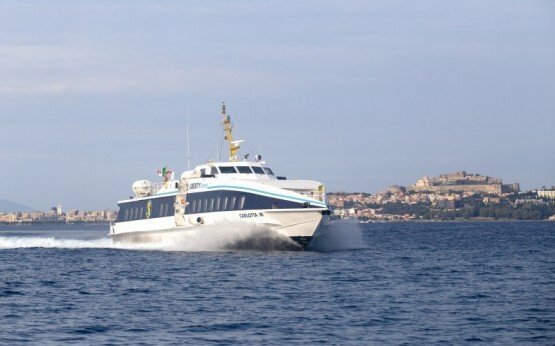
His name is Carlo Morace the last hydrofoil joined our fleet!
read more